 by Mark
 by mark E. Lasbury for Indiana On Tap
Pour a glass of the amber-toned liquid from a bottle of Old Clifty Hoosier Apple Brandy, and you are tasting a direct liquid resurrection. First released in the late 2010s by Spirits of French Lick under the meticulous guidance of Master Distiller Alan Bishop, Old Clifty is modeled squarely after 19th-century Indiana heritage styles. It is double-distilled in a traditional copper pot still and aged for four years in used oak cooperage. On the nose, it hits with complex aromas of baked apple crisp, cinnamon, honeysuckle, and rich oak, followed by tastes of caramel, nutmeg, and the finish of an apple croissant. Old Clifty does not merely mimic modern trends; it pays homage to a massive, long-forgotten commercial distilling world that once occupied the rugged landscape of Southern Indiana.
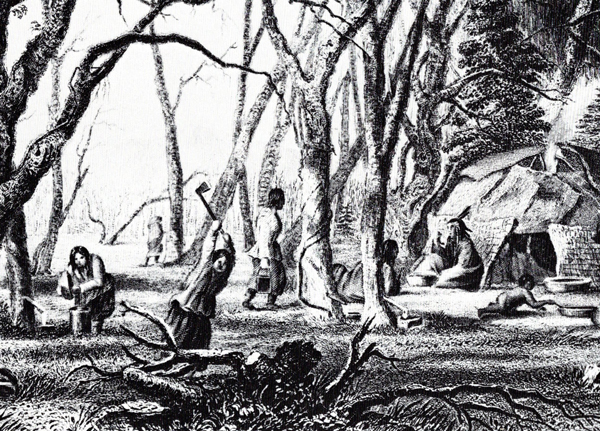
Long before Kentucky secured its identity as America’s premier bourbon capital, a six-county region in Southern Indiana comprising Washington, Orange, Lawrence, Crawford, Harrison, and Perry counties was a global powerhouse of distillation. Known colloquially as the “Black Forest” of Indiana, the region earned its name due to both its geographical topography and its human history. In the early 1800s, a massive wave of German immigrants settled the rolling Hoosier hills. Finding the dense woodlands, steep valleys, and limestone-filtered springs heavily reminiscent of their homeland, they brought the agricultural traditions of Germany’s actual Black Forest (Schwarzwald).
These settlers immediately blanketed the terrain with fruit trees. By the mid-19th century, regional estimates indicated that each county boasted upwards of 150,000 apple trees. Because early Indiana dirt roads were notoriously poor and rugged, transporting heavy, perishable fruit harvests to distant urban markets before they rotted was unlikely. The solution was as economic as it was cultural: convert the surplus cider harvest into highly stable, high-value apple brandy.
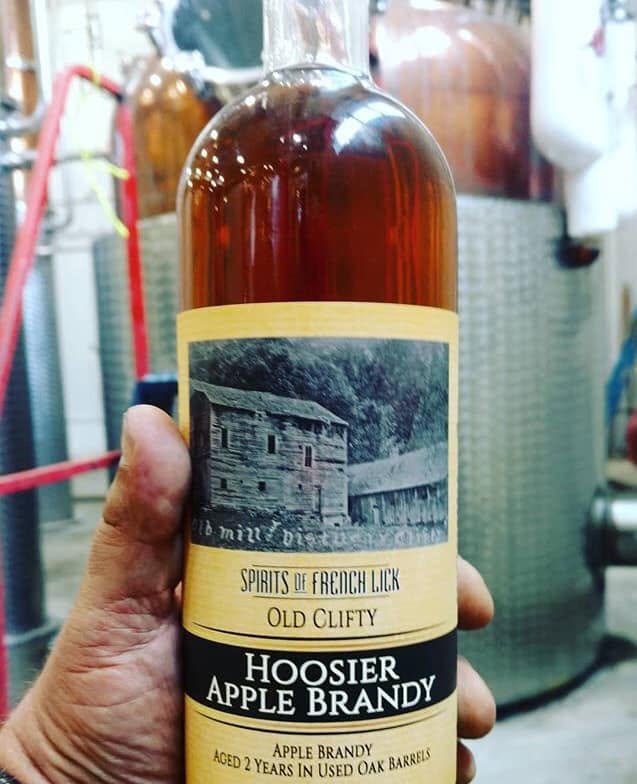
Thus, the great Indiana Brandy Empire was born. Between 1855 and 1914, more than 155 legally documented commercial distilleries peppered the creeks, springs, and tributaries of these six counties. The namesake for Spirits of French Lick’s blend—the original Old Clifty Distillery owned by Henry Robertson north of Campbellsburg—was a legend of this era, single-handedly turning out roughly 20,000 gallons of apple brandy annually from 1818 until 1904. At the height of the boom, Indiana’s Black Forest was out-producing the historic Calvados apple brandy regions of France, sending premium luxury brandy to high-end saloons across the United States.
The Black Forest era was deeply colorful, marked by legendary local figures. None were more infamous than Mattie Gladden, a sharp-tongued, fiercely independent brothel madame who operated an elite establishment in Salem (Washington County) during the peak of the brandy empire. Gladden was a noted aficionado and prominent local procurer of regional spirits, so firmly entrenched in Hoosier folklore that contemporary distillers still release high-rye bourbons bearing her name. Yet, this economic juggernaut of a region did not fade slowly; it collapsed overnight in 1914. A devastating combination of aggressive federal excise taxes, an unstoppable agricultural orchard blight, and Indiana’s early statewide adoption of Temperance laws abruptly crushed production. By the time national Prohibition became law, the copper pot stills of the Black Forest had gone completely cold.
Prohibition, however, did not fully extinguish the region’s thirst; it merely drove the craft underground into the dense knobs of Southern Indiana. The labyrinth of isolated caves and dense foliage made the historic Black Forest territory perfect hiding ground for rumrunners and bootleggers. French Lick and West Baden Springs, in particular, transformed into luxury playground havens for gangsters like Al Capone, who frequented the resort hotels. Local runners utilized the winding, unpaved backroads to ferry illicit corn liquor and hidden remnants of farmhouse apple brandy out to hidden speakeasies, keeping the regional connection to distilling alive through a dark folklore of midnight pursuits and hidden woodland stills.
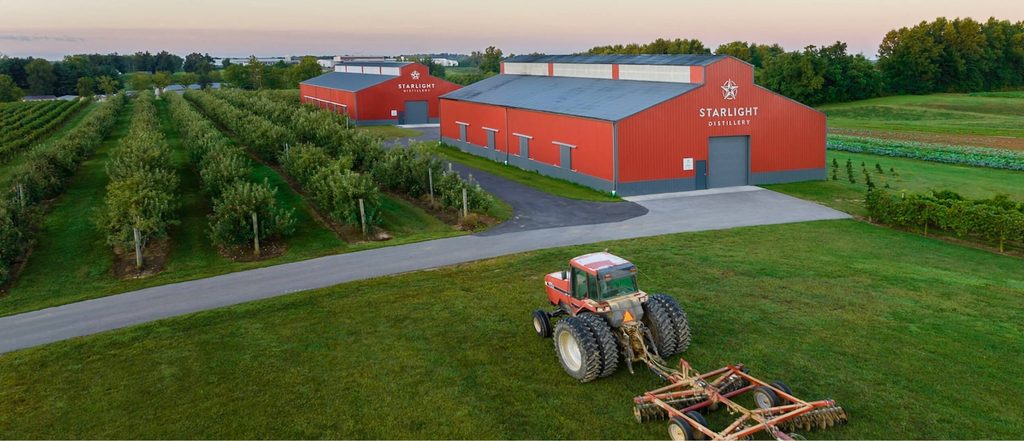
It took nearly eighty years for legal distillation to start again in the trees. The modern Hoosier craft spirits renaissance officially began in the 1990s, when pioneering laws slowly loosened post-Prohibition gridlocks. The undisputed pioneer and oldest operating distillery in the region is Starlight Distillery, established as an expansion of the historic Huber family farm in Clark County, where the dynasty had been working the soil since 1843.
Today, the modern craft revival is reclaiming the historic parameters of the original Black Forest, written entirely in rich prose rather than rigid lists. In Orange County, Spirits of French Lick serves as the cultural anchor of this movement, explicitly focusing on heirloom orchard fruits and double-pot distillation to resurrect lost 19th-century styles like authentic apple brandy. Further east in Harrison County, Best Vineyards Winery & Distillery in Elizabeth produces small-batch vodka, gin, and rum, while actively nodding to the historical ecosystem by expanding its lineup to include regional fruit-forward spirits.
Directly outside the strict boundaries of those six historic counties, an adjoining belt of artisan distillers has emerged to reinforce Southern Indiana’s standing as a premier craft destination, with several leaning heavily into the orchard-to-glass tradition. Foremost among them is Starlight Distillery, where the Huber family harvests fresh estate apples to create internationally acclaimed aged apple brandies and Applejack using their shared limestone aquifers. In neighboring Spencer County, Monkey Hollow Winery & Distillery in Saint Meinrad honors its regional roots by converting seasonal estate orchard crops into handcrafted commercial spirits. Just down the road, an entirely unique newcomer called Spirits of Saint Benedict is transforming the former gift shop on the historic grounds of the Saint Meinrad Archabbey into an artisan distillery. This monastic operation plans to craft small-batch bourbons, liqueurs, and innovative spirits derived from traditional abbey ale fermentations.
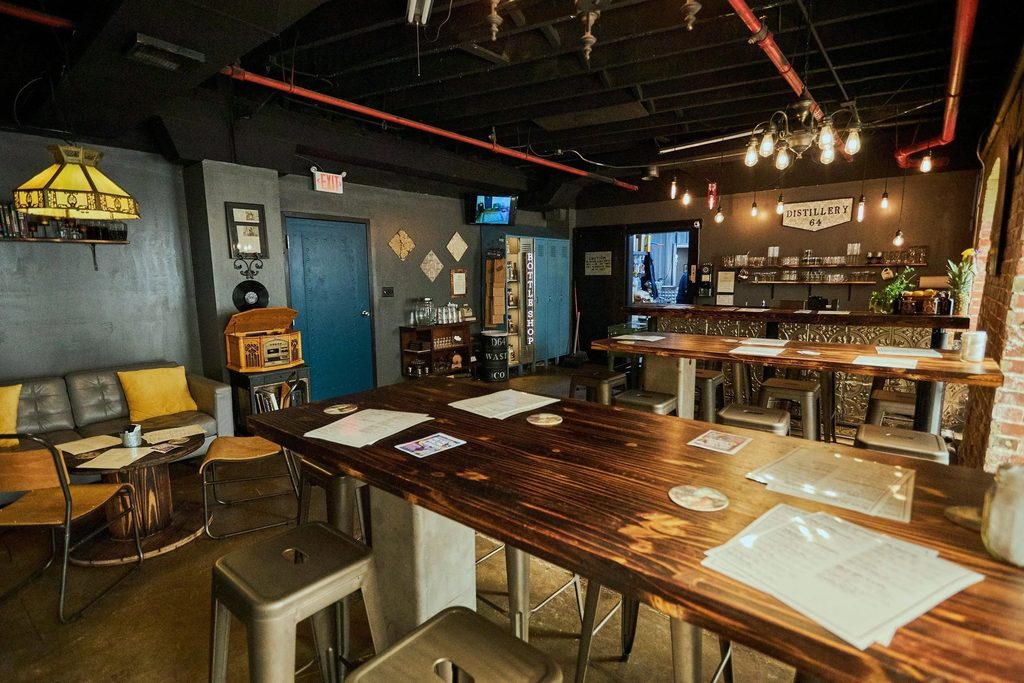
Rounding out this neighboring belt are several other innovative producers. Closer to the Ohio River in Floyd County, Distillery 64 operates a speakeasy-inspired tasting room in a historic New Albany warehouse to showcase small-batch rums and gins, while nearby Donum Dei Brewery & Distillery utilizes creative micro-distillation partnerships to bring limited, Hoosier-inspired spirits to market. Further west in Daviess County, McCracken Curve Distillery in Montgomery showcases agricultural innovation on a sixth-generation family estate, crafting distinct grain-to-glass whiskeys, including a signature bourbon distilled entirely from local Indiana popcorn.
What was once a ghost story whispered in the abandoned orchards of Washington and Orange counties has evolved back into a thriving, tangible industry. Because producers like Spirits of French Lick and Starlight Distillery both champion the return of authentic Hoosier apple brandy, the title and core theme of a true “Black Forest revival” remain entirely accurate. By blending strict historical accuracy with modern agricultural innovation, the contemporary distillers of Southern Indiana are successfully rewriting the state’s liquid identity. They have proved that Indiana’s soil holds a world-class heritage of fruit, oak, and craft spirit waiting to be poured once more.
