 by Mark
 by mark E. Lasbury for Indiana On Tap
Current drinking habits have shifted toward wellness habits and slightly less alcohol consumption (although this may be shifting again). The new habits include reduced ABV, more natural ingredients, pre- and pro-biotics like kombuchas, naturally soured beers and ciders, teas, even coffees. The “sober curious” movement is looking for innovative refreshments, and would welcome a new alternative. In order to achieve the goals of having more natural and healthy things incorporated into craft beverages, producers and retailers have sometimes returned to historic examples, and this is well within the craft beverage world, showing the meeting of the minds in food history/agriculture and beverage production.
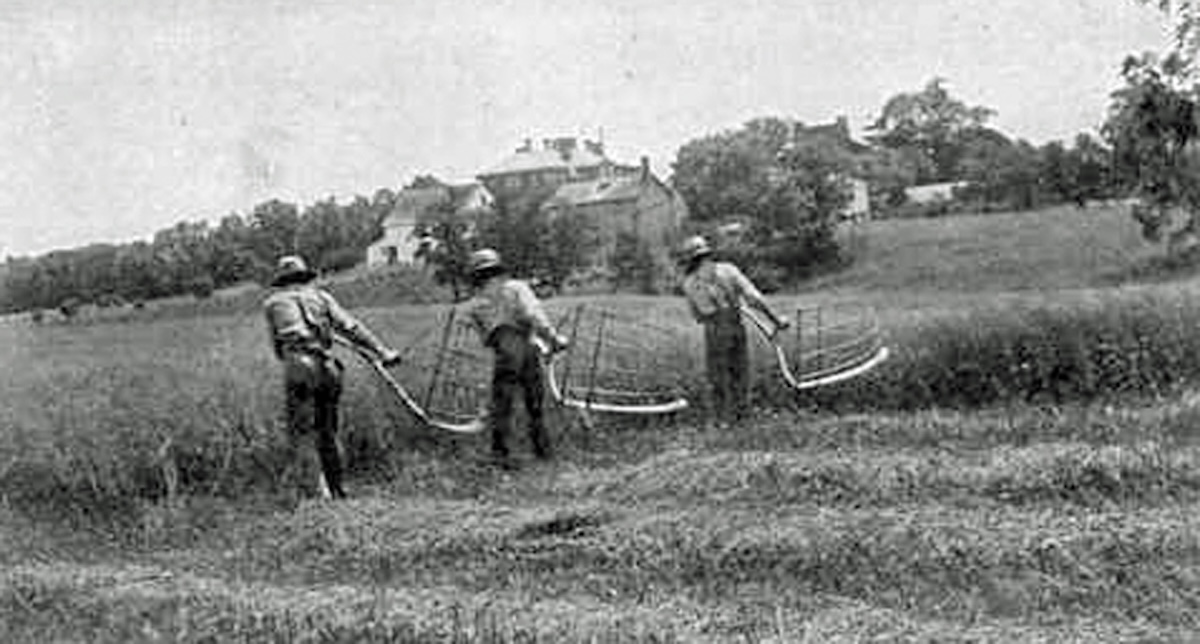
One example is a mixture of cider vinegar, a sugar source (honey, molasses, sorghum, maple syrup, simple syrup), lots of ginger, usually some citrus or spice flavors, and water. Originally developed in the Caribbean to help plantation workers who worked in the hot sun while tending/harvesting sugarcane, hay, or agave, the most common name for this concoction was “switchel.” This drink appeared in the very late 16th century, and grew to amazing popularity in the 17th and 18th centuries, right up to the 1890s.It was discussed in the Farmer’s Almanac, and recipes could be found in domestic cookbooks in the middle of the century. Heck, the US Congress had a large punch bowl of switchel constantly on hand – liberally spiked with rum, of course.
The name itself has several possible origins. The best sourced explanation is that early versions in the Caribbean were mixed with a swizzle stick, and “switchel” was a corruption of this. There is also a later version of the story stating it comes from “switch” because the sugar or acid source could be switched out easily. Finally, Old British English used the word “switch” to mean to drink deeply, and field hands could put gallons of switchel away each day.
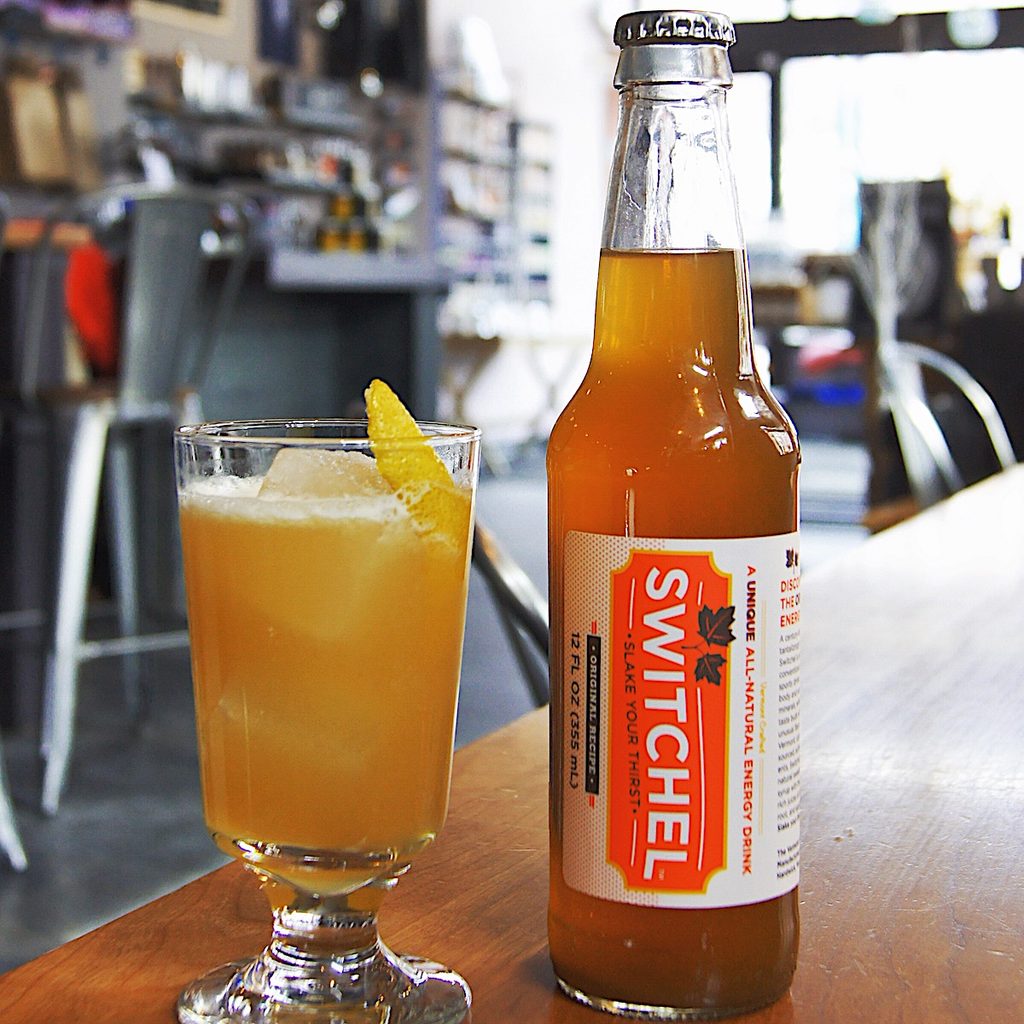
Switchel is one of the most important drinks in history. Early efforts to hydrate the field workers included rum, but there were definite diminishing returns when allowing the worker to drink alcohol all day in the hot sun. The use of switchel traveled fast from the West Indies to America, where hay was the number once source of fuel, and therefore it was crucial to keep the hands in the fields hydrated. Switchel’s ingredients each had a function; the vinegar was both a digestive aid and to help quench an aggressive thirst, while the ginger was a way to prevent the water’s shock to the system, by “warming the stomach.” The sugar source was an immediate source of strength to “sustain the weary field hand.” The natural sweeteners and cider vinegar also provide important electrolytes – important then, but even more part of the appeal now.
With the movement of many agrarian workers into the cities, along with the mechanization of farming reducing a bit of the labor needed and the physical labor in the hot sun at the turn of the century, the call for switchel was reduced, and it slowly died out, until even farmhands were unfamiliar with it. But now we are seeing a resurgence in its production and use.Today’s consumers are looking for alternative, non-alcoholic, low-sugar, and highly functional beverages (like gut-healthy or electrolyte-rich drinks – switchel was the 18th century Gatorade), or natural mixers to include in either cocktails or mocktails. Switchel beautifully bridges this gap: it allows craft beverage producers to ditch industrial citric acids and synthetic dyes in favor of a clean, agrarian “heritage functionalism.”
Modern uses –
Cocktails and mocktails/straight drink – many possibilities for mixing, the spice of ginger with the sting of vinegar give a throat-warming sensation that mimics the burn of a spirit. As a high-end mixer, it can now be purchased bottled (sources like Weathertop Farm), or produced in house, and provides the complex depth of flavors that will enhance a spirit and brining out more of its character. Shrub may be a more common mixer right now (fruit, sugar, and vinegar), but switchel is making a run at its popularity. I couldn’t find many bars and distilleries using it in Indiana yet, but perhaps that will change with this article.
Kombucha/Functional Teas – there is an interplay of kombucha and switchel as the pre-biotic trend continues. Kombucha brewers use it as a secondary flavoring source and the mixing of the two increasing the digestive benefits. Brands like Ninja Kombucha are actively marketing canned switchels, either mixed with kombucha or on their own. Lucky Elixir in Kansas City made a switchel kombucha this past summer.
Craft beer, sours – beer and switchel goes back hundreds of years as an over-fermented barley diluted with water, vinegar and sugar is as old as the Sumerians. To date, 4 Hands Brewing in St. Louis, hasn’t made a beer with switchel, but they have published a scaled recipe for the drink as a summer refresher (Haymaker’s Punch) to go along with a summer beer. It’s likely just a matter of time before we see it in modern sources, like Berliners. Fell Brewery in England had a switchel Radler earlier this year.
Hard cider – Cideries can use a switchel reduction to create something like a cyser or Pommeau. They can also add switchel to an existing hard cider to cut sweetness and add a ginger bite. Whitewood Cider Co. in Seattle has made a several switchel ciders, and Russell Orchards has produced a version using their own cider vinegar. Closer to home, Bløm Cider+Mead in Ann Arbor is making a switchel session mead right now.
THC seltzers – As non-alcohol functional buzzes become more popular, switchel is being used as a flavoring addition. They can cut/reduce the cannabinoid earthy/grassy/bitterness, the combination of ginger and vinegar offsets them perfectly. The most common infused canned switchel comes from The Haymaker Collective in Richmond, VA.
Specialty coffees – Cold brew is especially targeted for use with switchel. Also, many new coffee shops build coffee shrubs – iced coffee tonics. The molasses or honey sweeten the coffee and the ginger adds a note on top to balance the roast (if roasted). I couldn’t find any canned versions of a switchel coffee tonic, so that might be a niche market that someone could exploit.
Talk to your local brewery, distillery or other craft producer and see if they have heard of switchel or might be willing to play around with it in their beverages. You never know when something may click, especially for a summer cocktail list. Look for the canned/bottled switchels as drink or mixers in your package stores. It’s hard to get shelf space these days, but if enough people ask….. or finally, make up a batch yourself and see what you can do with it.
